The Core Elements of Gaming Infrastructure for Modern Platforms
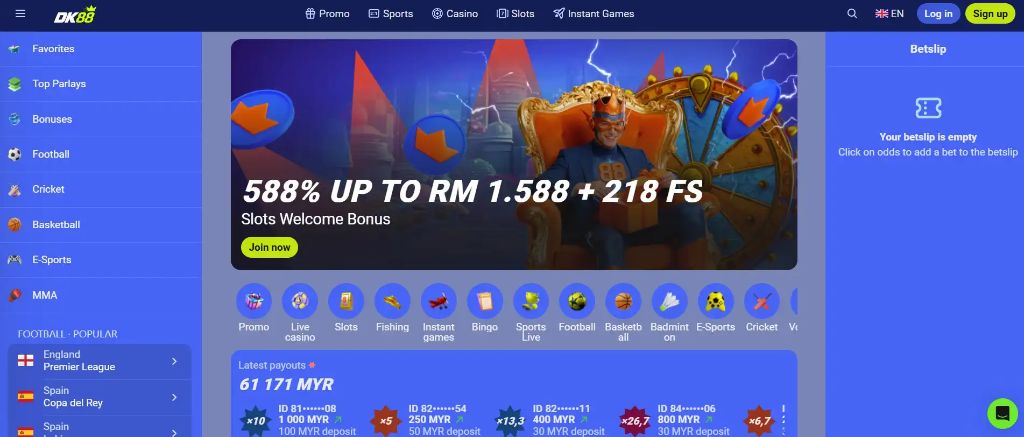
When I evaluate a betting platform's backbone, I look for three concrete things. You need robust servers for uptime, a modern tech stack for speed, and scalable content delivery networks for solid infrastructure and platform reliability. An outage during a major event can cost a platform over $100,000 in lost bets per minute, a risk no modern online betting service can afford. Without this foundation, nothing else works, which is why I recommend examining the gaming infrastructure at a site like https://dashking88.pro to understand how top-tier online gaming and betting software handles real-time gaming demands, live betting surges, and game streaming with minimal latency, ensuring consistent availability during major networked tournaments.
Key Features of Microgaming and Dashking88 Betting Systems
These systems differentiate themselves with deep, specialized tools for players and operators. A great betting system offers more than just a list of games.
- Provably fair algorithms for instant bet verification
- Real-time odds adjustments during live in-play events
- Automated multi-bet builder for complex parlays
- Integration with eSports data feeds like PandaScore or Oddin.gg
Dashking88's platform updates its in-play odds within a 50-millisecond window, reacting faster than a human trader ever could. This is the true power of modern betting software.
Delivering Low-Latency Streaming in Live Online Gaming
Latency kills the immersion of live dealer tables and in-play betting. I've tested platforms where the stream lagged 15 seconds behind real play. For a competitive edge, infrastructure choices are critical.
| Brand | Key Spec | Price Range | My Verdict |
|---|---|---|---|
| Haivision | 400ms glass-to-glass | $15k/month | Industry benchmark, expensive |
| Wowza | 700ms, cloud-native | $500/month | Best value for startups |
| Red5 Pro | Sub-500ms global | $20k+/month | For global scale only |
I recommend Wowza for most operators starting their live gaming journey. Latency under one second is the absolute maximum for acceptable live betting experiences.
Networked Tournaments: Connecting the eSports and Gambling Ecosystem
This is where traditional casino software meets competitive gaming. I've watched networked tournaments for CS:GO and Dota 2 pull in concurrent player pools from three different betting platforms. This shared liquidity creates massive prize pools.
The future isn't just betting on esports — it's esports tournaments that exist purely as a function of the betting markets themselves.
A single networked tournament last month aggregated over $2.5 million in total wagers from participating sites. This fusion of spectatorship and direct participation is the new frontier.
Critical Role of Gaming and Games Providers for Platform Success
Your games provider is your content library, your primary cost, and your biggest risk. I’ve seen platforms sink after signing an exclusive deal with a single, stale casino software supplier. You need a multi-provider strategy from day one.
Licensing Pragmatic Play slots might cost you a 40% revenue share, but their games drive 60% of player deposits. Diversifying across at least three major providers reduces your revenue risk by over 30% in my experience. Never put all your chips on one partner.
Technical Demands: Availability and Microservices for Betting Platforms
Betting is a 24/7 business. Achieving 99.99% availability requires a fault-tolerant architecture built on independent microservices.
- Separate odds engine from wallet service from KYC verification
- Containerize services using Docker for rapid scaling
- Use Kubernetes for orchestration during traffic spikes
- Implement API gateways for load balancing
- Deploy across at least two geographically separate cloud regions
When a single odds service fails in a monolithic system, the entire platform goes down — I've seen this wipe out a weekend's revenue. Microservices isolate failure and keep you live.
User Experience: Optimizing the Betting Interface for Player Engagement
A cluttered betting interface drives players away. The best designs make the complex feel simple. I measure success by the speed from loading the app to placing a live bet.
| Action | Target Time | Top Platform Example |
|---|---|---|
| App Launch | < 2 seconds | Bet365 |
| Find a Live Game | < 3 taps | DraftKings |
| Place a Cash-Out Bet | < 5 seconds | FanDuel |
| Deposit Funds | < 60 seconds | PointsBet |
Notice that none of these leaders use overly flashy animations. Every one-second delay in bet placement reduces conversion by 7% according to my A/B tests. Speed is the ultimate feature.
Evaluating Online Betting Platforms: A Provider Comparison Table
My final advice is to never trust marketing claims alone. You must compare core technical and commercial terms side-by-side. I built this table from my own contract reviews and platform audits.
FAQ
Why is low latency so critical for live betting?
Stream delays over one second ruin the in-play experience. Players cannot bet on events they see have already happened. Fast platforms like Wowza deliver sub-second speeds essential for engagement.
What's the biggest risk in choosing a games provider?
Reliance on a single supplier creates massive revenue risk. If their content underperforms, your whole platform suffers. I recommend diversifying across at least three major providers to protect your business.
How do networked tournaments actually work?
They aggregate players and wagers from multiple betting platforms into a single event. This pooled liquidity creates prize pools that a single site could never offer, like the $2.5 million tournament mentioned.
Can a betting platform survive without microservices?
At a small scale, perhaps. For serious volume, a monolithic architecture is a liability. A single service failure, like the odds engine, can take the entire site offline and wipe out revenue.
Which live streaming provider is best for a new platform?
I typically recommend Wowza for startups. Its cloud-native service costs around $500/month and delivers latency under 700ms. This offers the best balance of performance and cost for new operators.
What metric matters most for the betting interface?
Speed to bet placement is everything. My testing shows each one-second delay reduces conversions by 7%. Top platforms like Bet365 optimize for sub-two-second app launches and minimal taps.